Product News
MZ096 OTG Adapter Cable: Leverage Is the Port Killer, So We Moved the Bridge Half a Meter Away
MZ096 moves the OTG bridge off the port and onto a 0.5 meter tether: USB-C male to USB-A female, USB 3.2 at 10Gbps, aluminum housing. Less leverage, longer port life, same speed.
MZ096 OTG Adapter Cable: Leverage Is the Port Killer, So We Moved the Bridge Half a Meter Away
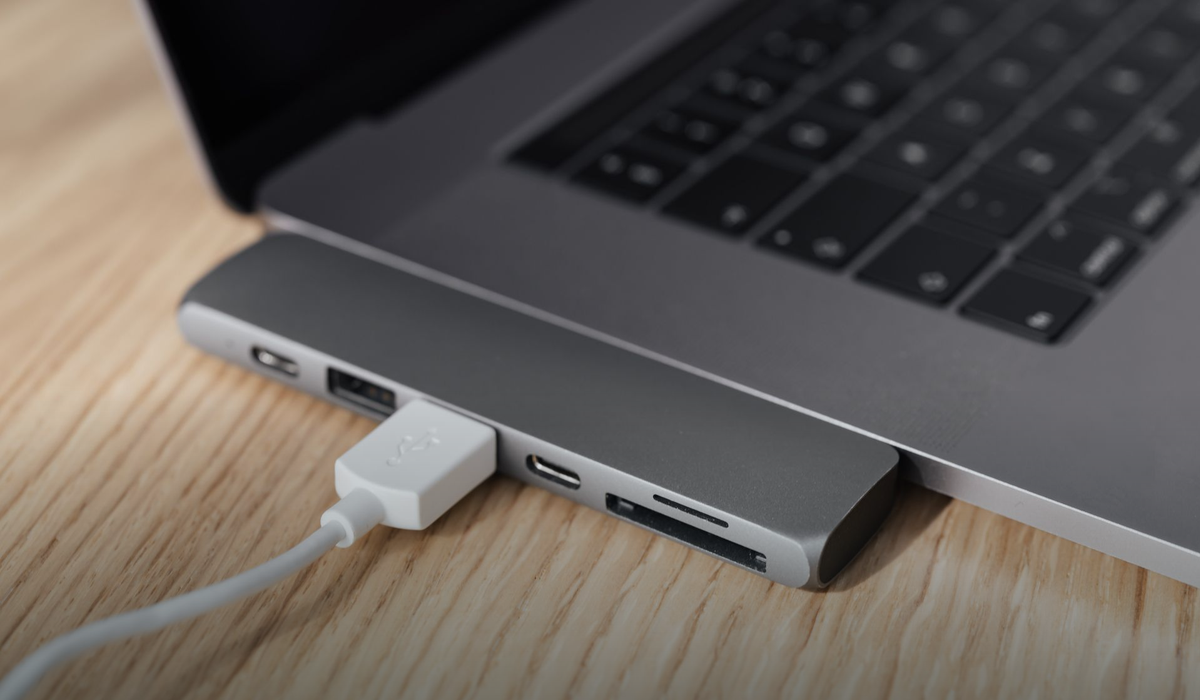
Every USB-C port has a silent enemy, and it is not dust or wrong cables. It is leverage. Hang a rigid plug-shaped adapter off the side of a laptop, then bump the cable, and the full twisting force of that overhanging body lands on the host connector's solder joints. Ports do not usually fail electrically first. They fail mechanically, and the adapter you plugged in this morning is the lever that does it.
The MZ096 USB-C to USB-A Female OTG Adapter with Cable attacks the problem structurally: instead of stacking a rigid body directly into the port, it puts the bridge at the end of a short 0.5 meter cable, with USB-C male to USB-A female on the ends, USB 3.2 at a full 10Gbps, in an aluminum housing. The spec sheet is four lines long. Each line solves something.
The 0.5 Meter Cable Is the Feature
Half a meter sounds like an arbitrary length until you picture the two places OTG adapters actually live.
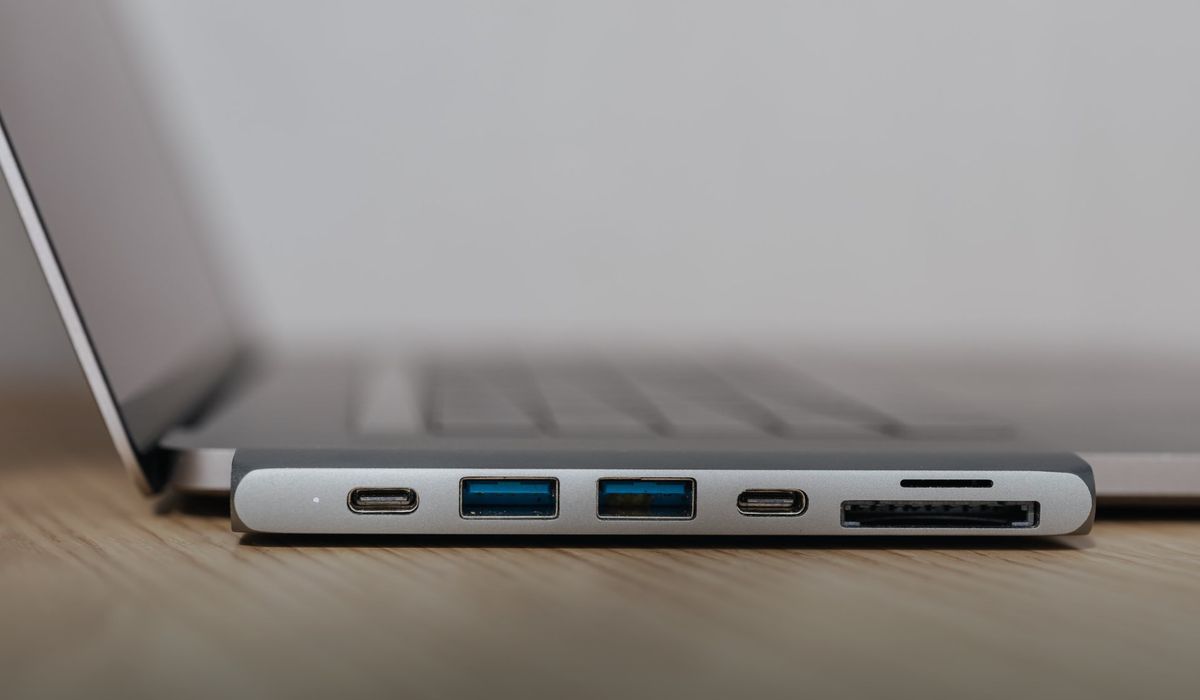
At a desk, half a meter is the distance from a laptop's side port to a clear spot on the surface, which means a USB-A flash drive or a card reader hangs in the air next to the machine instead of levering against the port housing. The strain of the attached accessory goes into the cable, where flex is free, instead of into the connector, where flex is expensive. Ports last longer, and the accessory stops blocking the neighboring port, which on dense machines is its own quiet benefit: a rigid OTG plug often shadows the second USB-C port beside it, while a cable drops away and leaves both ports usable.
On the move, the same length turns the adapter into a tether. Phone propped on a table while the drive or reader sits flat beside it, no rigid column sticking sideways out of a phone that is itself balanced on a fold-out kickstand. Anyone who has watched a phone tip off a stand because a plugged-in accessory outweighed its base has met this exact physics problem.
Why not a full meter, then? Because a meter of cable coils into a pocket lump and adds its own weight to the carry. Half a meter is the shortest run that removes the leverage, which is why it is the length the spec sheet prints.
USB 3.2 at 10Gbps, No Decorative Slowdown
The bridge carries USB 3.2 with the full 10Gbps data rate, the same ceiling as the fastest plug-style OTG adapters in the line. That matters because cable-form adapters have a reputation problem: buyers assume the flexible version must be the slow version, the way early micro-USB OTG tethers throttled everything they touched. It is not true here. Ten gigabits is ten gigabits, whether the bridge is a plug or a tether, so a drive attached through the MZ096 copies at the same speed it would manage in a direct port.
The practical consequence for a mixed accessory fleet is standardization. One OTG form factor, the 0.5 meter tether, can serve card readers, USB-A flash drives, keyboards, mice and audio interfaces at full speed, which simplifies both procurement and the support script: whatever the customer plugged in, the answer starts with the same adapter.
Aluminum Where It Counts
The housing at the bridge is aluminum, which serves the two jobs metal serves best in this product class. It sheds the modest heat a 10Gbps bridge generates during long transfers, and it survives the bag-and-pocket life that cracks plastic housings. The cable exits the housing with proper strain relief, so the flex happens in the cord where it belongs, not at the solder joints.
There is a purchase-psychology benefit too, and it is worth stating plainly for anyone building retail packaging: an aluminum-bodied tether photographs and feels like an upgrade, not an afterthought. The adapter category lives on thin margins precisely because so much of it looks disposable. Metal construction is how a SKU earns a better shelf position.
Where It Fits in the OTG Family
The line now covers the USB transition from every direction, and choosing between them is a matrix, not a mystery.
The plug-style bridges, like the chip-equipped and chip-free USB-A to USB-C pairs covered in the last two weeks, are for minimal carry weight. The angled USB4 adapters solve ports buried under a desk lip. The MZ096 owns the case in between: when the accessory stays attached for a working session, when the host port is crowded, or when the host is a phone balanced on a stand, the tether form factor wins on physics that a plug cannot beat.
Practically, that maps to two buyer profiles. Field kit builders, camera rental houses, event crews and service technicians, standardize on the tether because their readers and drives stay plugged in for hours and their hosts get handled roughly. Retail accessory brands stock the plug pair for the impulse drawer and the tether for customers who have already broken one port and will not repeat the experiment.
The Ordering Reality
The MZ096 ships under the house terms: no minimum order quantity, samples and small trial batches accepted, lead times from 3 days on stock to 25 days for production runs. Around 89 percent of the catalog is private mold, and OEM service covers buyers who want the tether branded or bundled into their own field kits. For a distributor, the cleanest entry test is a mixed carton: plug-style bridges and tethers side by side, handed to a few real users, with the return rate doing the final scoring.
The USB-A drawer is not shrinking and the ports it plugs into are not getting roomier. Moving the bridge half a meter down a cable is the simplest structural fix for both problems, and now it is on the line sheet.