Oct 27, 2026Industry News
The NAND Squeeze: SSD Prices Surge and What It Means for Enclosure Buyers
SSD prices surged this month as AI data centers absorbed NAND supply: a 4TB flagship nearly quadrupled. What the squeeze means for enclosure and hub buyers.
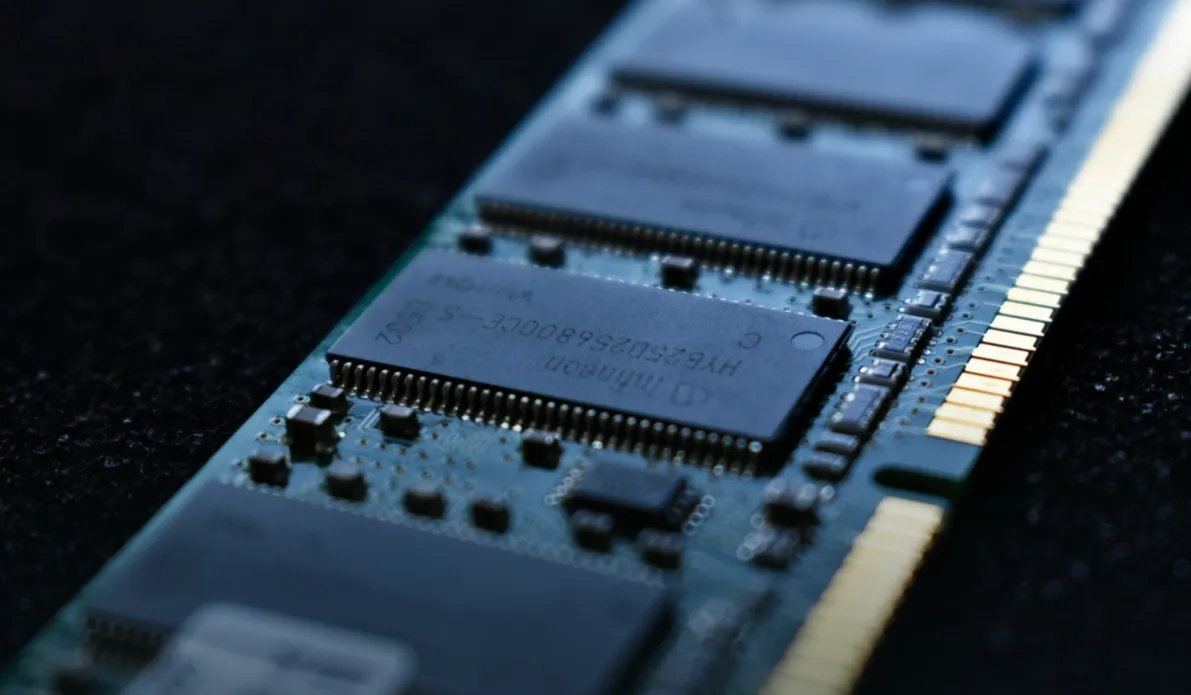
Two weeks ago this column described memory competition arriving from China and the long-term price relief it promises. This week brings the other half of the truth, and it cuts the other way: in the near term, NAND prices are surging. As pricing trackers documented on October 11, 2026, the AI data center buildout is absorbing so much flash supply that SSD prices have jumped hard, with a flagship Samsung 990 Pro 4TB moving from roughly 1,000 on US retail channels, and even the best October offers sitting near $144 for a 1TB Gen 4 drive. Meanwhile TechPowerUp reported early-month counter-currents, like Biwin cutting prices up to 28% on select capacities, which tells you the market is splitting by timescale and by maker rather than moving in one direction.
Both signals are true at once. The long-term map points toward more supply and cheaper gigabytes. The near-term map, the one procurement teams shop on this quarter, points to a squeeze, and squeeze economics change what smart accessory buyers do.
Why the Squeeze Reaches Enclosure Buyers
Enclosures, card readers and storage hubs do not contain NAND themselves, but they live or die with the drives that plug into them, and a drive-price spike changes buyer behavior in three ways. Purchases accelerate: drives bought this month may beat the same capacity bought next quarter, pulling demand forward the way GPU shortages always have. Value brands gain shelf: when flagship silicon reprices, mid-tier and value-tier makers, the ones cutting prices while giants surge, capture the price-sensitive share. And the flexible hardware wins: products that accept standard drives, rather than soldering or locking storage, let the buyer ride the price waves instead of being carried by them.
That last point is the strategic one. A bay you already own is a hedge. A hub or dock with an M.2 slot accepts whatever drive the market favors this quarter: a value-tier 1TB during the squeeze, an 8TB flagship when the cycle turns, and the assembly, the thermal design, the testing, the warranty, stays yours throughout. Fixed-storage products cannot make that promise.
What Enclosure Owners and Buyers Should Do
Four moves fit the squeeze. If a drive purchase was already planned, make it now: the AI-demand narrative is not a one-week event, and the flagship tier is repricing fastest. If it can wait, wait selectively: value-tier capacities, the ones with counter-current pricing, are where the squeeze has not fully landed. Audit the bays you own: an empty M.2 slot in a hub or dock is stranded capacity in a rising market, and a drive that migrates between bays as prices move costs nothing to relocate. And qualify new storage products by their testing discipline, because volatile markets attract opportunistic assemblies whose sustained speeds and thermals were never measured, exactly the listings our red-flags guide teaches buyers to read critically.
The Mattzon Read
Our SSD enclosure hubs, the MZTC8723 dual-protocol, the MZTC8722 NVMe Elite Drive-Dock and the 15-in-1 MZTC9791 flagship, are built precisely for a market like this one: standard M.2 bays that accept the drives buyers choose, thermal designs that hold sustained speeds, per-unit testing, and certification documents on bulk orders. The bays hedge the price; the testing hedges the quality; the no-MOQ terms let buyers time both. From our Shenzhen factory to your desk, the storage stays swappable and the specifications stay honest.
If you are timing storage purchases or planning hub programs through the squeeze, message Kitty's team on WhatsApp at +86 186 8146 2886, and we will talk capacity strategy, not just SKUs.
Sources: DropReference, SSD price tracker (Oct 11, 2026; NAND shortage, 990 Pro 4TB ~144); TechPowerUp, Biwin Black Opal NV7400 price cuts (early Oct 2026).