Buying Guides
Braided, PVC or TPE: Reading a Cable Jacket Before You Stock It
Braided nylon, PVC and TPE behave differently where returns actually start: bending life, heat and batch consistency. How to read a cable jacket before the container books.
Braided, PVC or TPE: Reading a Cable Jacket Before You Stock It
Buyers judge a cable by its jacket long before they ever measure throughput. The sleeve is the first thing a distributor feels in a sample bag, the first thing an end customer posts a photo of in a review, and the first place where a good sample quietly turns into a disappointing bulk order. If you stock USB cables at any volume, the jacket is not cosmetic detail. It is a purchasing decision.
This guide walks through the three jacket materials you will meet on supplier spec sheets, what each one actually delivers in daily use, and the checks that keep the bulk order as good as the sample.
The Three Materials on the Spec Sheet
PVC (polyvinyl chloride) is the classic jacket of the cable industry. It is cheap, extrudes fast, and prints well, which is why branding-heavy retail cables still use it. Its weakness is stiffness. A thick PVC jacket resists bending, and at the strain relief point that stiffness concentrates stress into the connector instead of spreading it along the cable. PVC also hardens slowly over years, especially in cold rooms and cars, so a cable that felt fine in spring can crack next winter. There is nothing wrong with PVC as a material. There is something wrong with PVC on a cable that gets coiled and pocketed every day.
TPE and TPU (thermoplastic elastomer and polyurethane) are the middle class. They stay flexible across a wide temperature range, feel softer in the hand, and recover from coiling without kinking. This is the material inside most "flat" and "soft-touch" cables. The tradeoffs are cost above PVC and a surface that picks up fingerprints, which matters more for retail shelf appeal than for durability. For charging cables that live at a desk or bedside, TPE hits a sensible balance of price and hand feel.
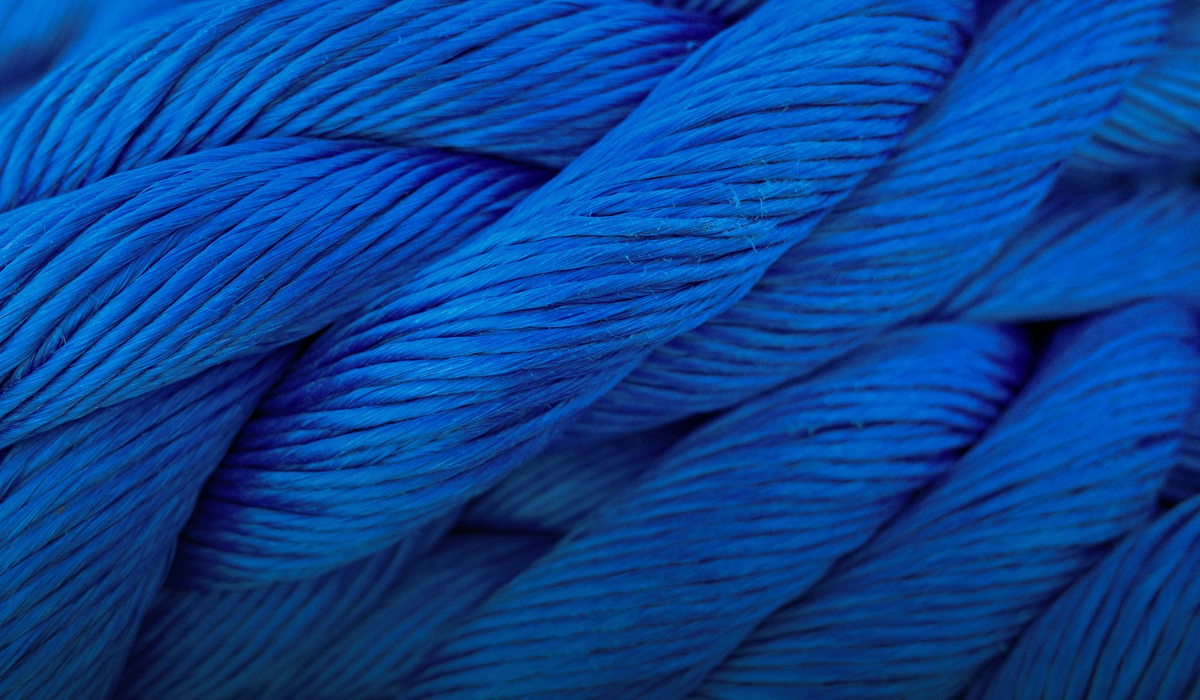
Braided nylon over an inner jacket is the premium tier, and the one most photographed. A woven polyester or nylon sleeve resists abrasion, hides scuffs, and dramatically reduces the tangling that makes customers write angry reviews. Done well, the braid also distributes bending stress across thousands of fibers, which is why quality braided cables survive fold-and-coil test rigs far longer than their PVC cousins. Done badly, the braid is loose, frays at the connector collar, and sheds threads into laptop bags. The braid is only as good as its weave density and its termination.
What Bending Tests Actually Measure
Ask any supplier for a bending cycle figure and you will get one. The problem is that the number is meaningless until you know the rig behind it. Serious factories quote bend cycles at a defined angle, radius and load, typically something in the range of thousands to tens of thousands of cycles at 90 degrees or more. Marketing sheets that just say "10000 bend lifespan" without conditions are telling you nothing about the radius, which is exactly where jackets differ most.
The practical version of this test costs nothing. Take the sample, wrap it around a marker pen, hold it for ten seconds, and release. A good braided cable springs back with no permanent kink. A stiff PVC cable keeps a set in the jacket and, if you repeat the exercise fifty times, starts creasing visibly near the strain relief. That crease is where internal conductors eventually fatigue, and conductor fatigue is the real story behind most "cable stopped working after three months" reviews.
Heat, Abrasion and Where Each Material Wins
Match the material to the usage environment instead of chasing the premium label.
For pocket and bag cables that coil daily, braided nylon wins on tangle and abrasion, with TPE as the budget alternative. For desk and wall-charger cables that rarely move, PVC is perfectly adequate and keeps unit cost down, which matters when you are bundling a cable with every device sold. For car and cold-chain environments, prioritize TPE or TPU because PVC hardening is fastest exactly where temperature swings hardest. For high-wear commercial sites, think classroom carts, rental kits, gym studios, the braided sleeve earns its cost many times over in avoided warranty replacements.
Abrasion matters more than buyers expect. A cable rubbed against a desk edge ten thousand times is not a hypothetical, it is a Tuesday in a shared office. Braided sleeves resist that grinding; smooth PVC develops a shiny worn patch that customers read as "old and failing" even when the cable still works.
The Sample-versus-Bulk Gap
Here is the pain point that burns importers most often. The sample bag arrives with a tight, dense braid and a solid metal collar. The production batch three months later shows a looser weave, a thinner braid, or a collar that has quietly switched from aluminum alloy to painted plastic.
Jacket material is one of the easiest places for a factory to shave cost because the change is nearly invisible in a product photo. Protect yourself with three habits. First, keep the approved sample sealed and dated, and write "jacket per approved sample" into the purchase order instead of trusting the listing page. Second, ask for the braid specification in numbers: yarn denier, weave count per unit length, and sleeve weight if the supplier tracks it. Numbers in the contract survive personnel changes at the factory; adjectives do not. Third, inspect a fresh production sample against the golden sample side by side under the same light before the container books.
A supplier confident in its jacket consistency will answer those questions without hesitation. Evasion is itself a data point.
Reading Supplier Specs Honestly
A trustworthy cable listing tells you the inner jacket and the outer sleeve separately: for example, an inner TPE jacket with an outer braided sleeve, or plain PVC with no sleeve. If a listing only says "durable braided cable" with no material beneath the braid, the braid may be cosmetic over cheap insulation.
Also read the connector collar. On braided cables the transition from sleeve to metal housing is the failure hotspot, so look for a strain relief collar that grips the sleeve, not one the sleeve merely slides up against. And confirm certifications on the whole assembly, not just the internals. RoHS and CE apply to the jacket too, which matters in the EU where jacket plastic composition is part of compliance paperwork.
What to Ask Before You Order
Bring these five questions into your next cable RFQ. What is the inner jacket material and the outer sleeve material, separately? What bending test conditions sit behind the lifespan figure? How does the sleeve terminate at the connector collar? Which certifications cover the complete assembly including the jacket? Can the approved golden sample be referenced by date in the purchase order?
Factories that answer all five cleanly exist. The factory behind this site answers them with spec sheets and test reports rather than adjectives, and since there is no minimum order quantity here, you can verify the answers on a small batch before you commit a container. That is the right order of operations: judge the jacket, then judge the price.