Product News
MZ107 OTG Adapter: the Chip Bridge Grows Up and Gets the New Name
MZ107 closes the OTG family with the USB 3.2 named chip bridge: USB-A male to USB-C female, 10Gbps, dual-sided, aluminum. Why one silicon story deserves two listings.
MZ107 OTG Adapter: the Chip Bridge Grows Up and Gets the New Name
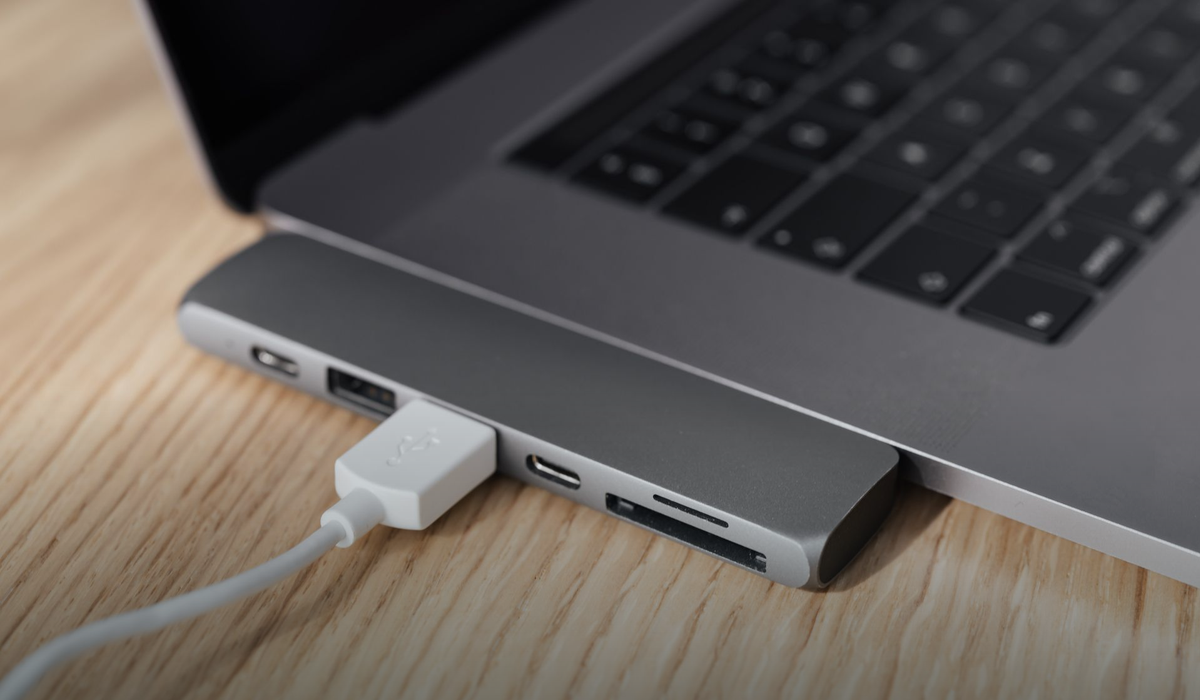
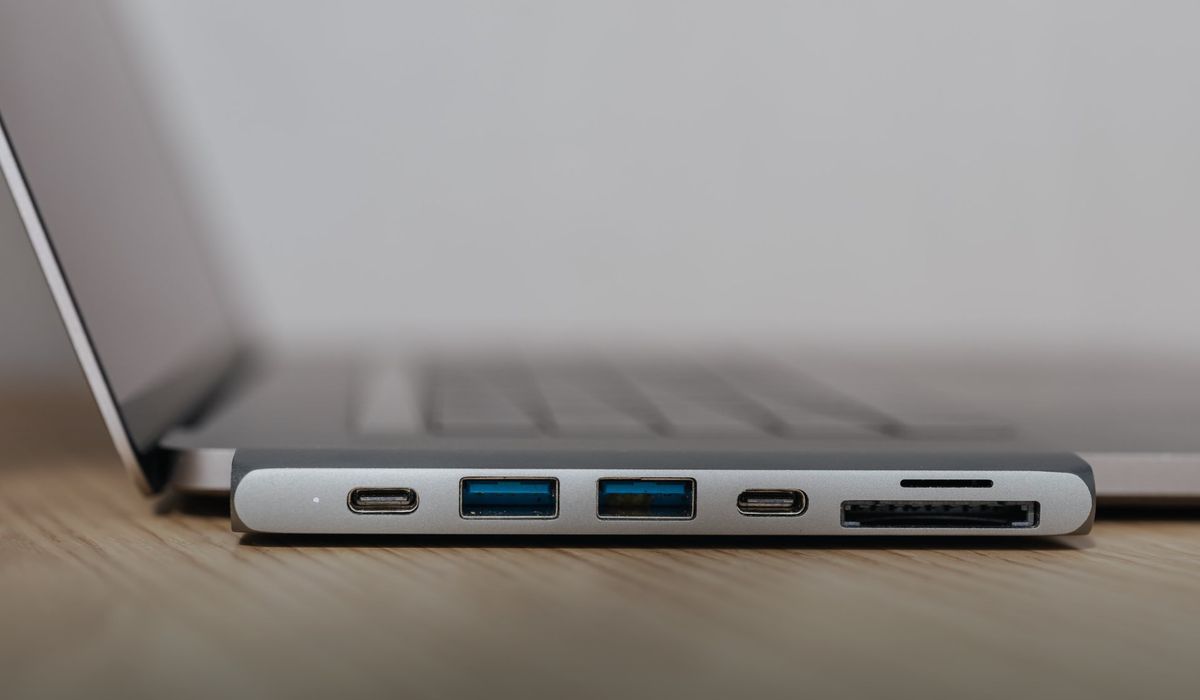
Every product line has a quiet moment where the hardware stays the same and the paperwork grows up. The MZ107 USB-A Male to USB-C Female OTG Adapter (Chip) is that moment in the OTG family, and it closes out the adapter section of the catalog with the most buyer-friendly spec sheet of the run: USB-A male to USB-C female, USB 3.2 at a full 10Gbps, a design that includes a bridge chip with dual-sided 10Gbps support, wrapped in aluminum.
If those words feel familiar, they should. The MZ107 is the USB 3.2-named sibling of the MZ082 introduced earlier this month, and the pairing is deliberate. This article is the story of why the same silicon deserves two listings, and which buyers should pick which.
What the Spec Sheet Says
Five lines, each load-bearing. The interface is USB-A male into the host and USB-C female facing the accessory, the orientation that lets USB-C devices live on USB-A machines, the most common legacy bridge in the drawer economy. Speed is USB 3.2 at 10Gbps, the current generation naming for the same ten-gigabit tier the family has carried all month. The design line reads with chip, dual-sided 10Gbps, meaning the adapter carries a real bridge chip for clean device enumeration and supports the full data rate in either plug orientation. The shell is aluminum.
Nothing is decorative. Every claim traces to a line on the product page, and none of the numbers require interpretation.
Why the Same Bridge Gets Two Names
Buyers who compare the MZ107 against its sibling will notice the functional overlap immediately: both are USB-A male to USB-C female, both run 10Gbps with a chip, both are dual-sided, both wear aluminum. The difference is the specification language: the MZ082 is listed at USB 3.1 while the MZ107 carries the USB 3.2 name.
That difference is not cosmetic to everyone. Ten gigabit USB existed under both names because the industry reorganized its naming in 2019, folding the old 3.1 Gen 2 tier into the USB 3.2 family as 3.2 Gen 2. Performance is identical. What changed is the paperwork, and paperwork matters in procurement more than engineers expect. A corporate tender that specifies USB 3.2 rejects a 3.1 listing on sight. A channel partner in a market where 3.1 labeling still reads as the trusted standard prefers the older name. Government and education RFPs each have their own conventions, and a distributor serving all of them needs both listings in the price book.
That is the purpose of the pair. One silicon story, two specification languages, zero ambiguity for whichever purchasing document lands on your desk. Resellers who carry both can answer any tender without explaining rebranding history to a procurement officer who does not care.
The Chip, Briefly, Because It Still Matters
The onboard chip is the reason this family earns the word bridge. Simple accessories enumerate happily through passive adapters, but card readers, portable drives and other self-controller hardware negotiate more cleanly when the adapter between host and device manages signal characteristics properly. Fewer first-touch failures, fewer mid-transfer disconnects, fewer support tickets that begin with the words it works on my other machine. The dual-sided rating completes the experience: the full 10Gbps is available whichever way the plug flips, which ends the invisible half-speed orientation problem that passive dual-orientation adapters sometimes carry.
The aluminum shell does its usual double duty, shedding bridge heat during long transfers and surviving the pocket-and-bag life that retires plastic housings within a year. On a retail shelf it photographs as the premium option, which is exactly the position the chip pair occupies in the family.
The Family Portrait: Where Each OTG Sits
With the MZ107, the adapter section of the catalog now covers every combination the transition demands, and a buying guide to the whole family is easier when the map is laid out in one place.
Moving accessories the other direction, from USB-C hosts to USB-A gear, the plug-style bridge handles it in one rigid piece. The same direction in tether form, on a short cable, solves the leverage problem for ports that cannot afford side-loading. The USB-A to USB-C direction exists in a chip-free version for simple accessories on a budget, and in this chip-equipped version, in both naming generations, for serious hardware and serious paperwork. Each SKU was designed against a specific purchasing situation, and none of them cannibalizes the others, which is the property a distributor should verify before stocking any family: does each listing have a buyer who will not accept a substitute?
Ordering Notes
The MZ107 ships under the standing terms of the catalog. No minimum order quantity, samples and small batches accepted, lead times from 3 days for stock to 25 days for production, OEM service welcome with around 89 percent of the line in private mold. For distributors weighing the naming question, the practical move is a sample pair: the USB 3.1 listing and the USB 3.2 listing side by side, tested against your actual tender language and your top-selling card readers. The drawer of USB-A accessories is not getting younger, and with this listing the bridge family now speaks every specification language the transition requires.