Oct 4, 2026Industry News
A $9 Billion Cable Market by 2030: What the USB-C Charging Boom Means for Buyers
Market research puts the USB-C charging cable market at $4.81 billion in 2026, heading toward $9 billion by 2030 at around 17% annual growth. Booms reward good suppliers and punish careless ones
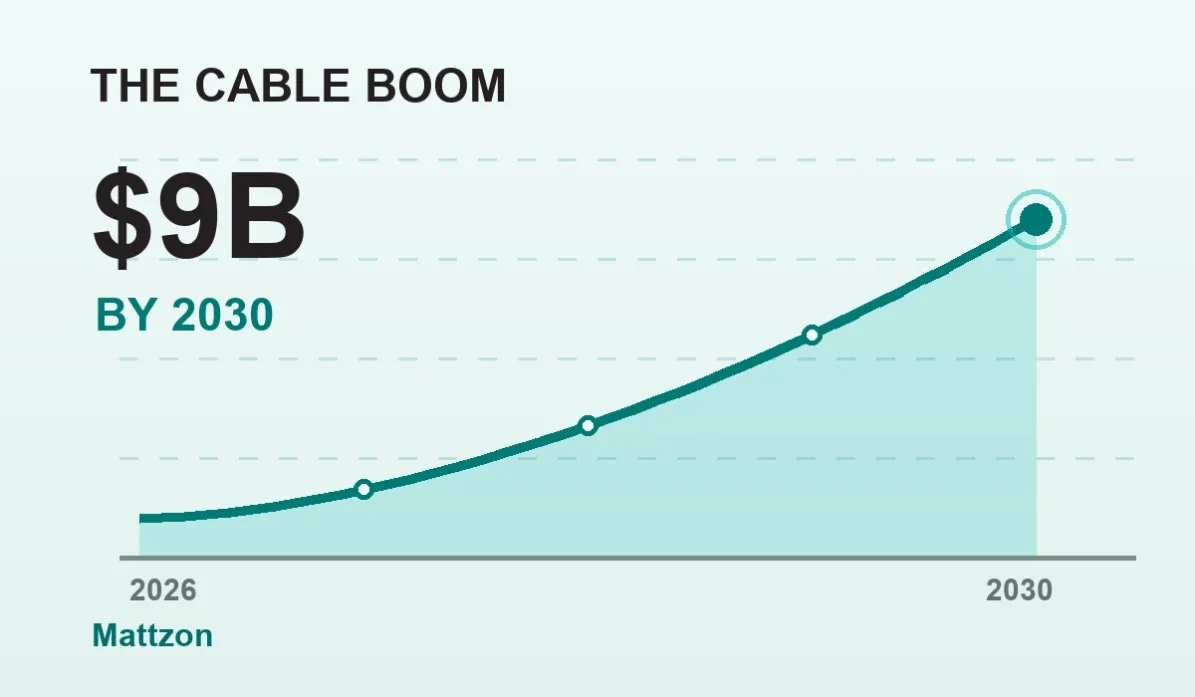
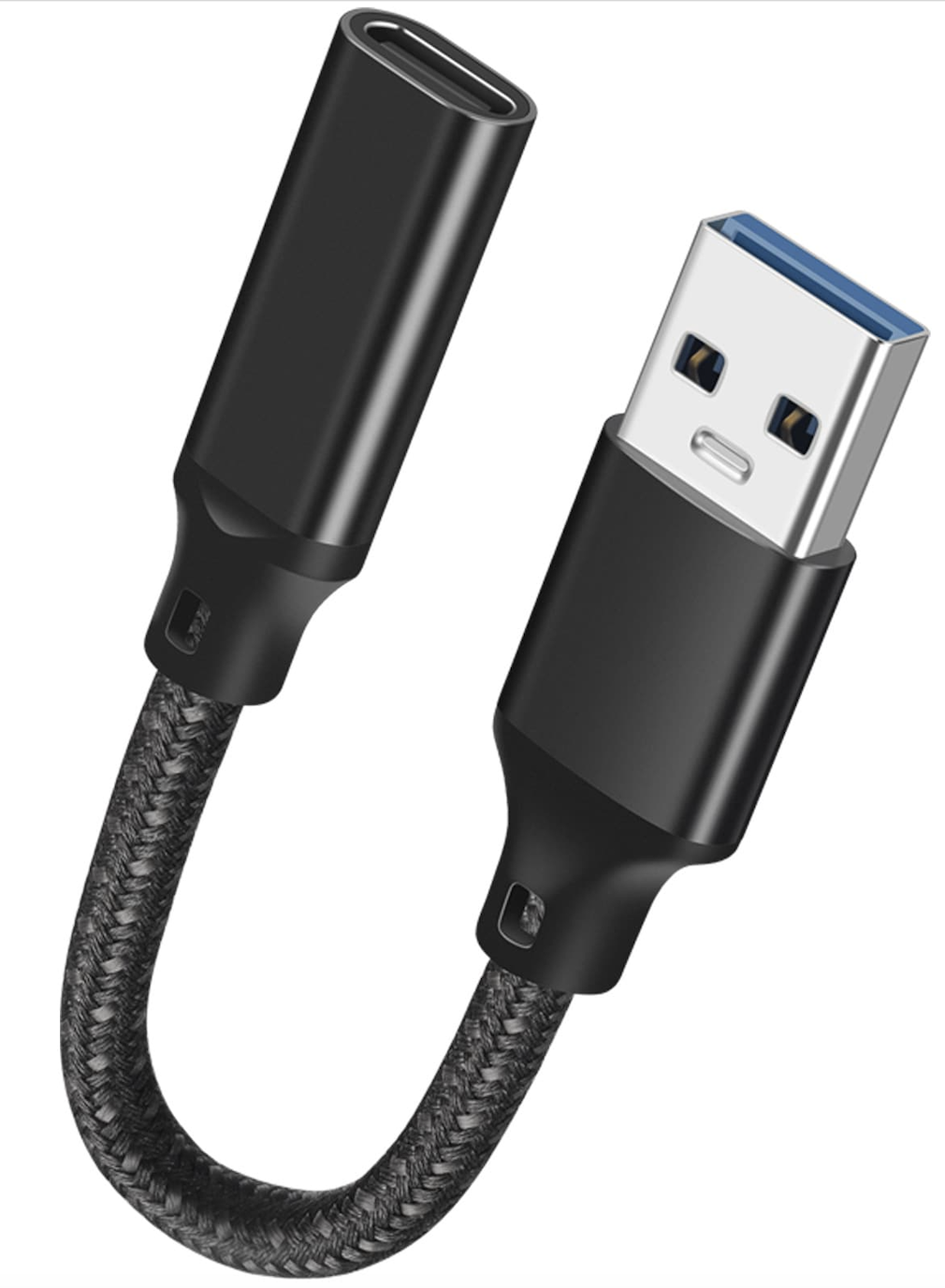
Sometimes the dull product is the exciting business. Market research firm The Business Research Company published its USB-C Charging Cable Market Report 2026 in January, and the projection inside is worth every buyer's attention: a market of about 9 billion by 2030, an annual growth rate near 17 percent. The report, a 250-page global analysis distributed through Research and Markets and cited across B2B sourcing channels, attributes the run to forces already visible on purchase orders: the EU's USB-C mandate rolling through device categories with laptops joining in 2026, and the steady upgrade toward fast-charging, higher-wattage USB-C gear.
For comparison, the USB-C hub market stories we have covered before show the same shape. But cables deserve their own reading, because the cable business is where volume is highest, margins are thinnest and, historically, quality has been most fragile.
What a 17 Percent Annual Boom Actually Does
A market growing 17 percent a year for five years does not just get bigger. It gets crowded and impatient. New entrants arrive to chase the growth, capacity gets built ahead of demand, and pricing pressure pushes every marginal player to find savings somewhere. In the cable trade, the savings are always found in the same places: thinner copper, thinner insulation, skipped e-marker chips, skipped tests. The result is a market where the gap between a compliant cable and a non-compliant one is invisible on a shelf and very visible in a wall socket.
That history is not hypothetical. The pain-point archive we keep for article research holds the cautionary cases: cables without the proper 56kΩ resistor identification damaging devices, including the widely reported Chromebook-Pi incident, and chargers that run hot because their cables drop more voltage than the specification allows. Every one of those incidents was a saving of a few cents at the factory and a fortune in reputation downstream.
The Buyer's Playbook in a Growing Market
Treat certification as the product. In a boom, the certified cable and the uncertified twin look identical and ship within cents of each other. But certification (USB-IF compliance for USB-C data and power, CE, FCC, RoHS for the destination markets) is what survives the contact with regulators, retailers and reality. The discipline is the same one serious buyers already apply: demand certificate copies and test reports with the quote, not after the order.
Buy the factory, not the price list. Growth punishes thin intermediaries first. A cable supplier with its own production can hold specifications when copper prices move and when orders stack up; an assembler brokering between factories cannot. Ask where the cable is made, who tests it and what the per-batch inspection covers. The answers separate partners from pass-throughs.
Use the boom's leverage. The same growth that attracts sloppy supply also funds good capacity. Factories investing through this cycle are adding automated testing, better tooling and private-mold options, and many, including us, will run OEM programs with no minimum order quantity to win long-term accounts rather than one-time price wars. For a buyer, there has rarely been a better window to upgrade suppliers: sample quality is at a lifetime high while switching costs sit at a low.
The Mattzon Read
We make USB-C cable lines in our own Shenzhen factory, certified to CE, FCC and RoHS, with certificate copies and test reports provided on bulk orders as standard practice. We would rather grow at 17 percent with documentation than at 25 percent with excuses. As the market doubles toward 2030, the winners on the buy side will be the importers whose cables never make the incident lists, and the winners on the supply side will be the factories whose paperwork always matches the product.
Planning cable programs for 2027? Message Kitty's team on WhatsApp at +86 186 8146 2886 for samples, specifications and certificates.
Sources: The Business Research Company, USB-C Charging Cable Market Report 2026 (January 2026; 9B 2030, ~17% CAGR), via Research and Markets and electronics.alibaba.com; growth drivers per report coverage; historical non-compliant cable incidents per the Mattzon pain-point archive (Chromebook Pi case, r/UsbCHardware reports).